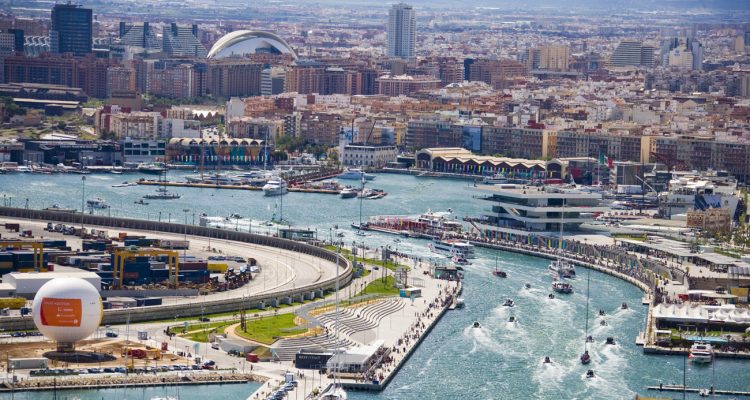
Spanien gilt als einer der beliebtesten Mietwagen-Standorte überhaupt: Alleine der Autoverleiher Sixt unterhält nach eigenen Angaben mehr als 80 Niederlassungen, die quer über das Land verteilt sind. Hinzu kommen Hunderte von Stationen, die von Mitbewerbern wie Avis oder Hertz betrieben werden. Keine Frage: Wer in Spanien einen Mietwagen buchen möchte, kann sich über ein mangelndes Angebot an Anbietern nicht beklagen.
Neben der grossen Zahl an Mietwagenstationen gibt es aber noch viele weitere Gründe, warum es sich lohnt, das sonnenverwöhnte Land im Süden Europas per Leihfahrzeug zu erkunden. Ein wichtiger Punkt ist in diesem Zusammenhang das Strassennetz, das trotz der rigorosen Sparmassnahmen, die im Laufe der letzten Jahre getroffen wurden, nach wie vor in einem ordentlichen Zustand ist. Mithilfe von EU-Fördermitteln wurden die Verkehrswege Spaniens in den 1980er-Jahren modernisiert und in einen ordentlichen Zustand versetzt. Viele der zahlreich vorhandenen Schnellstrassen werden von den einzelnen Regionen unterhalten, sodass eine gewisse Unabhängigkeit von Zahlungen der Zentralregierung gegeben ist.
Grosse Zahl an mautfreien Streckenabschnitten

Obgleich es in Spanien eine beachtliche Zahl an Autobahnen gibt, für deren Benutzung eine Mautgebühr fällig wird, bietet das Land genügend Verkehrswege, die kostenfrei befahren werden können. So ist beispielsweise die A1 Madrid – San Sebastián überwiegend mautfrei. Stadtautobahnen in Ballungszentren wie Saragossa, Valencia oder Barcelona können prinzipiell gratis benutzt werden. Die einzige Ausnahme bildet die Stadtautobahn in Madrid, die teilweise gebührenpflichtig ist. Streckenabschnitte, auf denen eine Maut erhoben wird, sind mit auffälligen Verkehrsschildern gekennzeichnet.
Wer mit dem Mietwagen unterwegs ist und kein Bargeld in der Tasche hat, kann anfallende Mautgebühren zur Not auch per Kreditkarte bezahlen. Es werden alle gängigen internationalen Karten akzeptiert, sodass es im Normalfall keine Probleme gibt. Wer mit Bargeld zahlen möchte, kann entweder einen Kassenautomaten ansteuern oder die Gebühr auf traditionelle Weise am Schalter entrichten. Eine Alternative stellt die „Via T“-Box dar, die bargeldloses Zahlen ermöglicht – hierfür ist allerdings eine vorherige Registrierung notwendig. Besitzer von Via T-Boxen können ihre Geräte auch in jedem Mietwagen nutzen. In der Regel genügt es, dem Verleiher nach der Fahrzeugübernahme das Kennzeichen des Autos zu übermitteln.
Atemberaubende Naturlandschaften
Liebhaber von unberührten Naturlandschaften finden in Spanien optimale Bedingungen für einen erholsamen Urlaub vor. Wenn man mit dem Mietwagen auf der Autobahn unterwegs ist, kann man erleben, wie sich schroffe Berge mit sanften Tälern und glitzernden Seen abwechseln. Von Zeit zu Zeit zieht eine kleinere oder grössere Stadt vorbei; dann taucht man wieder ganz in die Natur ein und geniesst die einmalige Atmosphäre des spanischen Hinterlandes. Der einzige Wermutstropfen ist, dass man als Fahrer nicht die Gelegenheit hat, Fotos zu schiessen – diese Aufgabe müssen die Mitreisenden übernehmen.
Das Schöne an einem Mietwagen ist, dass man jederzeit einen Halt einlegen kann. Erblickt man einen Punkt, den es sich zu erkunden lohnt, nimmt man einfach die nächste Ausfahrt und verlässt die „Autopista“. Das Navigationssystem bringt die Reisenden auf direktem Wege ans Ziel und errechnet bei Bedarf eine Ausweichroute – zum Beispiel, wenn es auf einer Hauptstrasse einen Stau gibt oder eine Baustelle ein zügiges Vorwärtskommen unmöglich macht.
Feinsandige Strände, so weit das Auge reicht

Spanien ist für seine langgezogenen, feinsandigen Strände berühmt. Mit einem Mietwagen hat man die Chance, von Strand zu Strand zu fahren und die zur Verfügung stehende Urlaubszeit optimal zu nutzen. Wenn es an einer Stelle des Meeres ein Problem mit der Wasserqualität gibt – etwa aufgrund eines erhöhten Algenbefalls – setzt man sich einfach in den Wagen und steuert den nächsten Strand an. Im Internet finden sich zahlreiche Ratgeber für Mietwagen-Touristen, sodass es kein Problem darstellt, innerhalb von Minuten einen anderen Aufenthaltsort für den Nachmittag zu finden.
Wenn man gerade keine Lust auf ein Sonnenbad hat, bietet sich eine entspannte Fahrt entlang der Küste an. Besonders reizvoll ist in dieser Hinsicht die Costa de la Luz: Hier ist die Zahl der Strände, die mit weissem Sand und azurblauem Wasser aufwarten können, am höchsten. Zwischen Conil de la Frontera und Cabo Roche gibt es einige spektakuläre Strandbuchten, an denen bizarre Felsen aus dem Meer ragen. Bei Ebbe tummeln sich hier kleine Meeresbewohner wie Garnelen oder Krebse. Vervollständigt wird die malerische Kulisse von herrlichen Palmen und sattgrünen Bäumen.
Günstige Mietwagenpreise
Die Preise für Mietwagen sind in Spanien so günstig wie in kaum einem anderen Land Europas. Entscheidet man sich für einen Kleinwagen (z.B. einen Kia Picanto oder einen Peugeot 206), zahlt man für eine ganze Woche teilweise weniger als 100 Euro. Bei grösseren Fahrzeugen liegt die Mietgebühr naturgemäss höher, doch auch hier sind die Aufwendungen sehr überschaubar. Für die Anmietung eines Kompaktwagens zahlt man in Spanien selten mehr als 150 Euro pro Woche – von solchen Preisen kann man in anderen Reiseländern nur träumen.
In den genannten Tarifen sind bereits zahlreiche Leistungen wie eine Haftpflichtversicherung mit einer Deckungssumme von bis zu 50 Mio. Euro sowie eine Diebstahlversicherung (wahlweise mit oder ohne Selbstbeteiligung) enthalten. Je nach Anbieter hat man ausserdem die Möglichkeit, kostenfrei einen weiteren Fahrer in die Mietvereinbarung eintragen zu lassen. Ein weiteres Plus: Die meisten Mietwagenfirmen setzen ihren Kunden kein Kilometerlimit – somit hat man die Freiheit, zu reisen, wohin man möchte.